
How to improve gum health is an important question because healthy gums support your teeth and protect your smile. Gum problems can start quietly with bleeding, swelling, redness, or bad breath. If ignored they may become worse over time. The good news is that early gum irritation can often improve with better daily care and professional dental help.
Learning how to improve gum health starts with plaque control. Plaque is a sticky film that builds around teeth and gums. Brushing and cleaning between teeth help remove it before it hardens into tartar. The ADA says floss and other interdental cleaners help remove plaque between teeth and reduce the chance of gum disease and tooth decay.
How To Improve Gum Health At Home
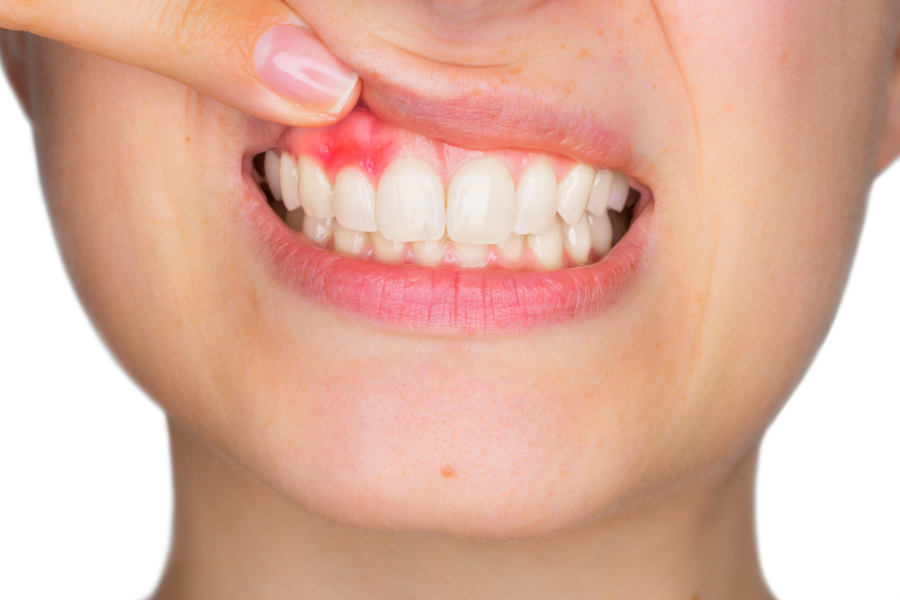
How to improve gum health at home starts with brushing twice a day using fluoride toothpaste. Use a soft toothbrush and clean along the gumline gently. Do not scrub hard because that can irritate gums and wear tooth enamel. Brush for about two minutes and cover the front back and chewing surfaces. NHS guidance says brushing with fluoride toothpaste at least twice a day helps prevent gum disease.
Daily cleaning between teeth is also important because a toothbrush cannot reach every tight space. Use floss interdental brushes or another dentist approved tool. The ADA says flossing once a day helps remove plaque and food particles from areas a toothbrush cannot fully clean. If your gums bleed at first do not panic. Bleeding may occur when gums are inflamed, but should improve with consistent gentle care.
How Long For Flossing To Improve Gum Health

How long for flossing to improve gum health depends on your starting condition. Some people notice less bleeding and fresher breath within one to two weeks of daily flossing. Others may need more time especially if plaque and tartar have built up for months. Flossing helps remove soft plaque but it cannot remove hardened tartar once it is stuck to teeth.
If gums keep bleeding after a few weeks of gentle daily cleaning you should see a dentist or hygienist. You may need a professional cleaning or gum treatment. NHS inform says gingivitis is the early stage of gum disease and is reversible but it should be controlled early so inflammation does not spread to the bone that supports teeth.
How Long Does It Take To Improve Gum Health
How long does it take to improve gum health can vary from person to person. Mild gum irritation may improve in a few weeks with better brushing flossing and regular cleaning. More serious gum disease may take longer and may need deep cleaning medication or specialist treatment. The timeline depends on plaque level tartar buildup smoking diabetes dental habits and how early you start care.
You should not wait too long if gums bleed swell hurt or pull away from teeth. Early care gives the best chance of improvement. NHS says symptoms of gum disease include bleeding gums swollen gums bad breath and loose teeth in more serious cases. Regular dental checkups are important because a dentist can find problems early and suggest the right treatment.
How To Improve Gum Health Daily Care Tips
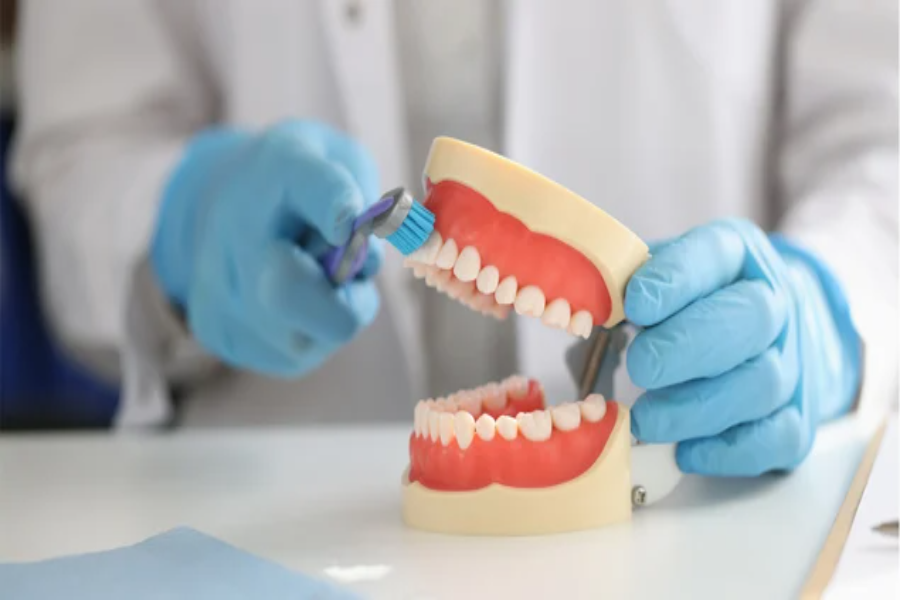
How to improve gum health daily care tips should be simple enough to follow every day. Brush in the morning and before bed. Clean between teeth once a day. Spit after brushing but do not rinse right away because fluoride needs time to protect your teeth. NHS also advises not using mouthwash straight after brushing because it can wash away fluoride.
Your daily routine should also include tongue cleaning water intake and smart food choices. Limit sugary snacks and drinks because they can feed bacteria and increase plaque acids. Avoid smoking because it raises gum disease risk and can hide bleeding signs. If you use mouthwash choose one based on your dentist’s advice. A daily plan makes how to improve gum health easier and more realistic.
Best Foods And Habits For Healthier Gums
Food can support how to improve gum health when it is part of a full care routine. Choose foods with helpful nutrients such as leafy greens dairy beans fish eggs nuts fruit and vegetables. Crunchy vegetables can help clean the mouth a little but they do not replace brushing or flossing. Water is also useful because it helps rinse food particles and supports saliva.
Lifestyle habits matter too. Smoking is harmful for gums and can make healing slower. NHS clearly advises not to smoke when preventing gum disease. If you have diabetes work with your doctor because blood sugar control can affect gum health. Stress sleep and nutrition can also influence healing. Healthy gums usually come from steady habits rather than one quick fix.
When to See a Dentist for Gum Problems
Knowing how to improve your gum health also means knowing when home care isn’t enough. See a dentist if your gums bleed often feel painful look swollen or seem to be moving away from your teeth. You should also get help if you have bad breath that does not improve loose teeth pus around gums or pain while chewing.
Professional cleaning can eliminate tartar that home tools can’t. Deeper cleaning below the gumline or specialized periodontal care may be needed for more serious gum disease. According to the CDC, gingivitis can be controlled and treated with good oral hygiene and regular professional cleaning, but more severe periodontal disease may require more extensive treatment.
Read More: Amy Corenswet: The Real Story Behind David Corenswet’s Sister and Why Everyone’s Searching Her Name
Final Thoughts
How to improve gum health begins with daily plaque control. Brush twice a day with fluoride toothpaste. Clean between teeth once a day. Eat balanced meals. Drink water. Avoid smoking. See a dentist for regular checkups and cleanings. These simple habits can make a real difference when done consistently.
Do not ignore bleeding or swollen gums. Early gum disease can often improve but advanced problems need professional care. If you are unsure what tool to use ask your dentist or hygienist. With patient daily care and timely dental visits how to improve gum health becomes easier and safer for long term oral health.
FAQs About How To Improve Gum Health
Q1. How to improve gum health fast?
Brush twice daily with fluoride toothpaste. Clean between teeth once daily. Drink water. Avoid smoking. See a dentist if bleeding swelling or pain continues.
Q2. Can gums become healthy again?
Early gum inflammation may improve with better care and professional cleaning. Advanced gum disease may need deeper dental treatment.
Q3. How long for flossing to improve gum health?
Some people notice less bleeding within one to two weeks. If bleeding continues after a few weeks see a dentist.
Q4. How long does it take to improve gum health?
Mild issues may improve in a few weeks. More serious gum disease can take longer and may need professional treatment.
Q5. Should I floss if my gums bleed?
Yes if bleeding is mild and caused by inflammation. Floss gently every day. If bleeding continues or is heavy see a dentist.
Q6. What is the best daily care for gums?
Brush twice daily. Clean between teeth once daily. Use fluoride toothpaste. Avoid smoking. Visit a dentist regularly.
Q7. When should I worry about gum problems?
Worry if you have lasting bleeding swelling pain bad breath gum recession loose teeth or pus. These signs need dental care.